01Forms and typical uses
| Form | Typical uses | Common grades |
|---|---|---|
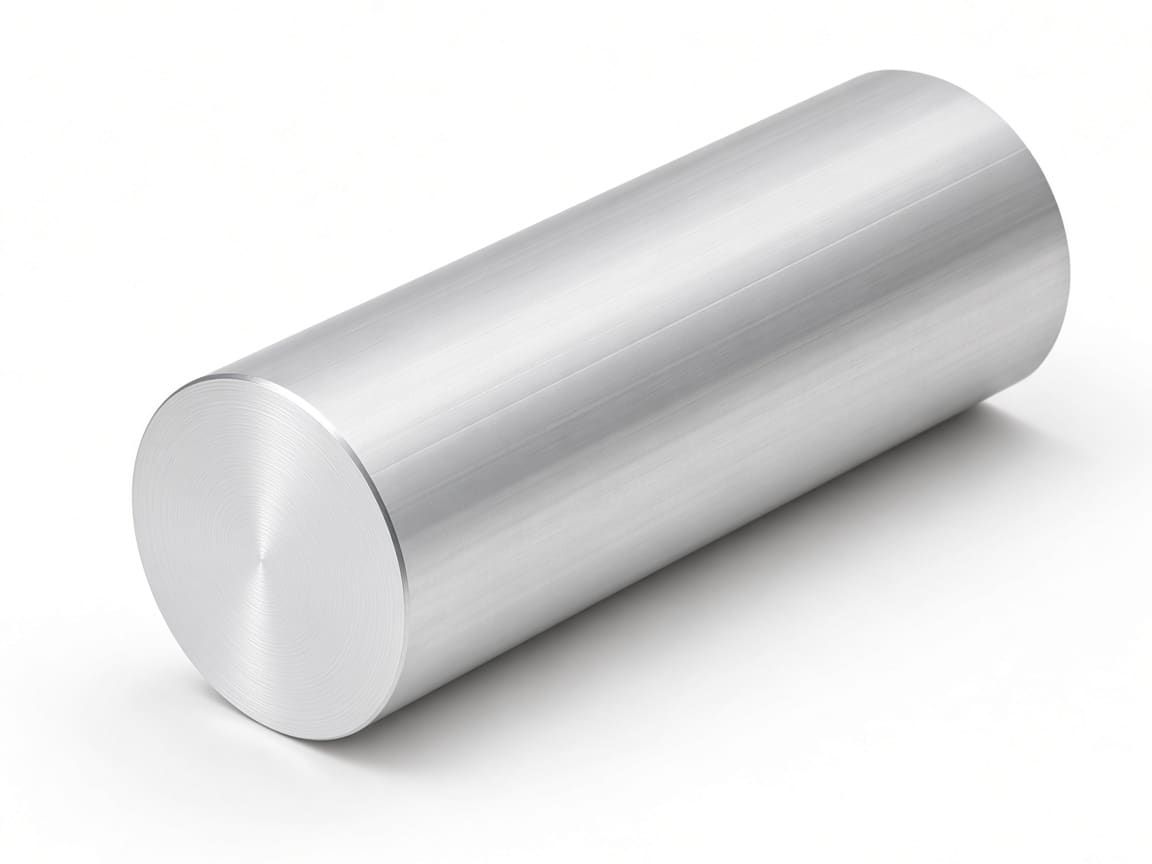
| Round rod (铝棒) | CNC-turned parts, shafts, pins, fittings, fasteners | 6061-T6, 7075-T6, 6063-T5 |
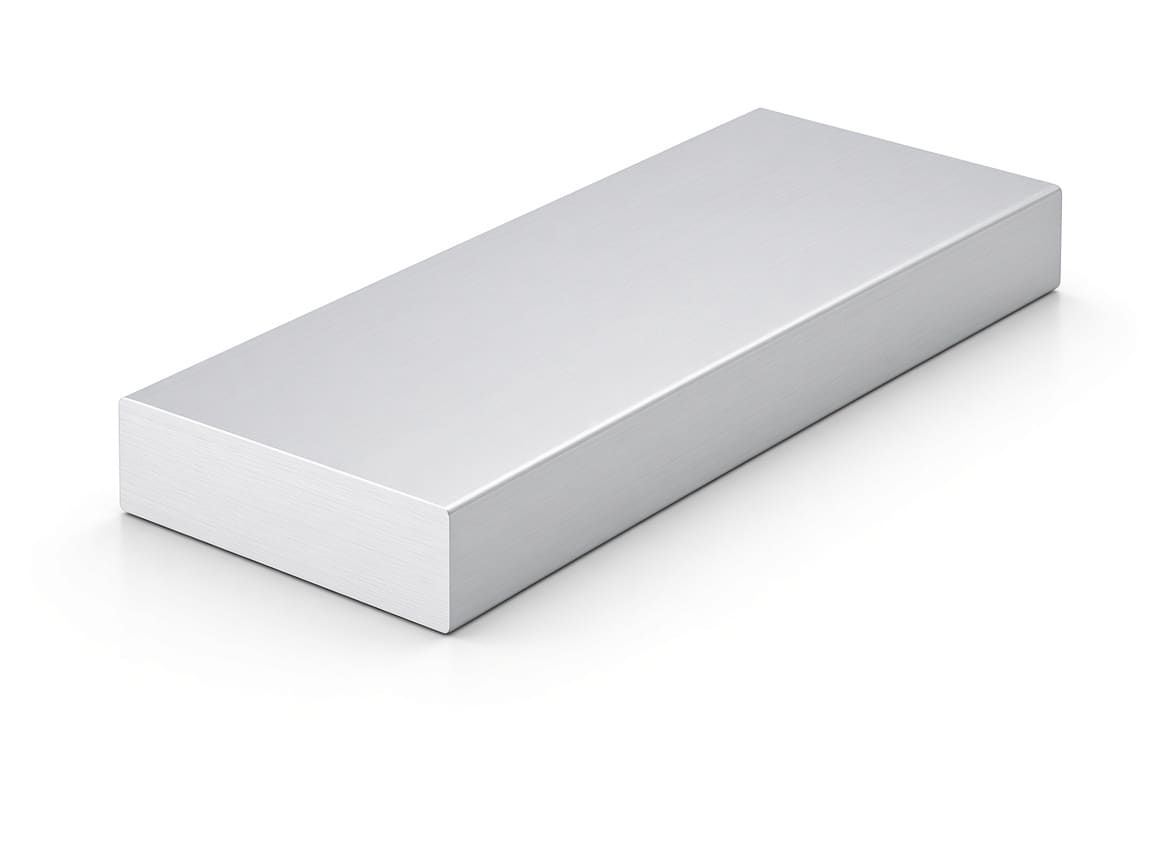
| Flat bar / busbar (铝排) | Electrical busbars, grounding bars, frames, brackets | 1060, 6063-T5, 6061-T6 |
| Strip (铝条) | Trims, spacers, wear strips, thresholds | 6063-T5, 6061-T6 |
Other sizes and grades on request. Calculate weights with the aluminum weight calculator.
02Choosing a grade
- 1060 — 99.6 % pure aluminum with the highest electrical and thermal conductivity; the choice for busbars and conductors.
- 6063 — smooth surface and excellent anodizing for visible bars and trims.
- 6061 — the all-round machining grade: strong, stable and weldable.
- 7075 — very high strength for highly stressed machined parts.
03Built for machining
Bar stock is only as good as its consistency. Because we cast our own billets from primary aluminum and verify every melt on a SPECTROMAX direct-reading spectrometer, composition stays tight from lot to lot — which keeps cutting behaviour, anodizing color and mechanical properties predictable on your CNC line.
04What to send for a quote
The more of this you share, the faster and more accurate the quote. Missing something? Send what you have — we will ask.
- Form and size (diameter or width × thickness)
- Grade and temper
- Lengths (mill length or cut list)
- Tolerance requirements
- Surface finish
- Quantity
05Frequently asked questions
Which aluminum grade is best for busbars?
1060 offers the highest conductivity of the grades we supply (roughly 61–62 % IACS) and is the usual choice for busbars and conductors. Where the bar must also be stiff or strong, 6063 or 6061 is used, with some loss of conductivity.
Is 6061 or 7075 rod better for machined parts?
6061-T6 machines well, welds and resists corrosion — the default for most parts. 7075-T6 is nearly twice as strong and is chosen for highly stressed parts, but it costs more and should not be welded.
Do you use recycled aluminum in bars and rods?
No. We cast billets from primary aluminum only, with no recycled scrap added, which keeps chemistry and anodizing response consistent.
Last updated September 17, 2026 · Reviewed by the CharMax Aluminum engineering team