01LED profile types
Surface-mounted
Shallow U-channels fixed with clips or screws — under-cabinet, shelving, displays.
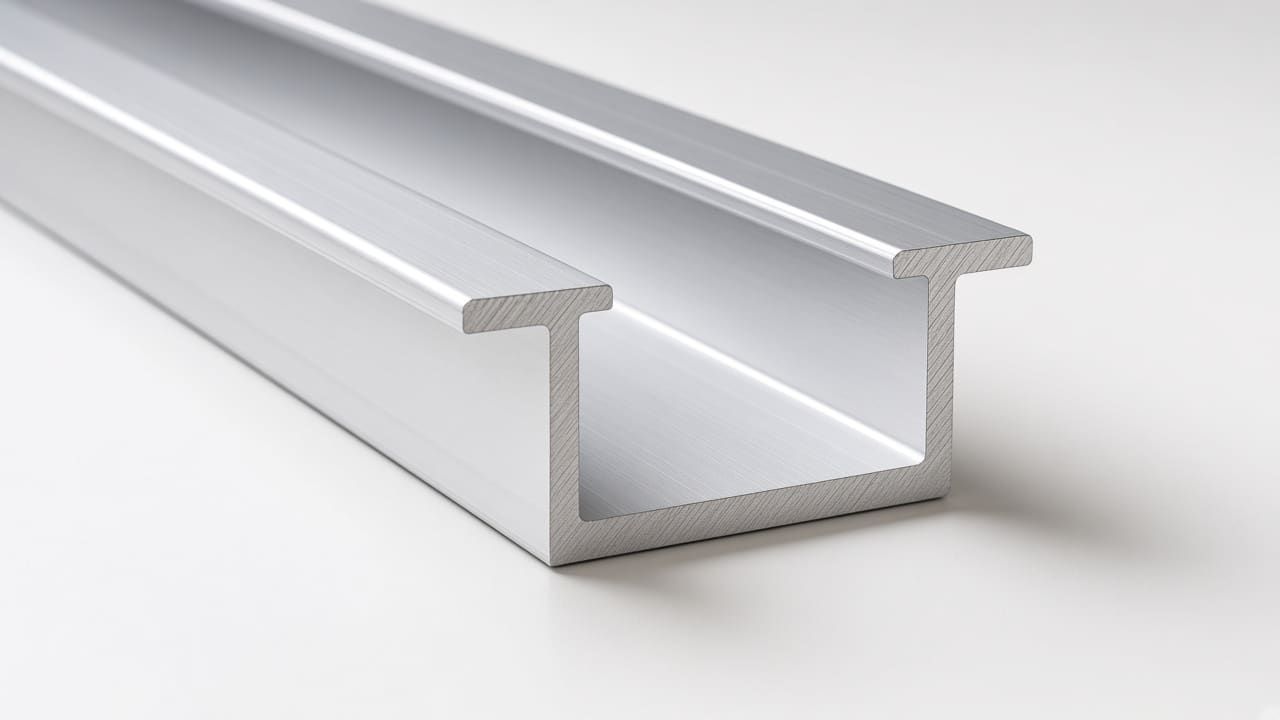
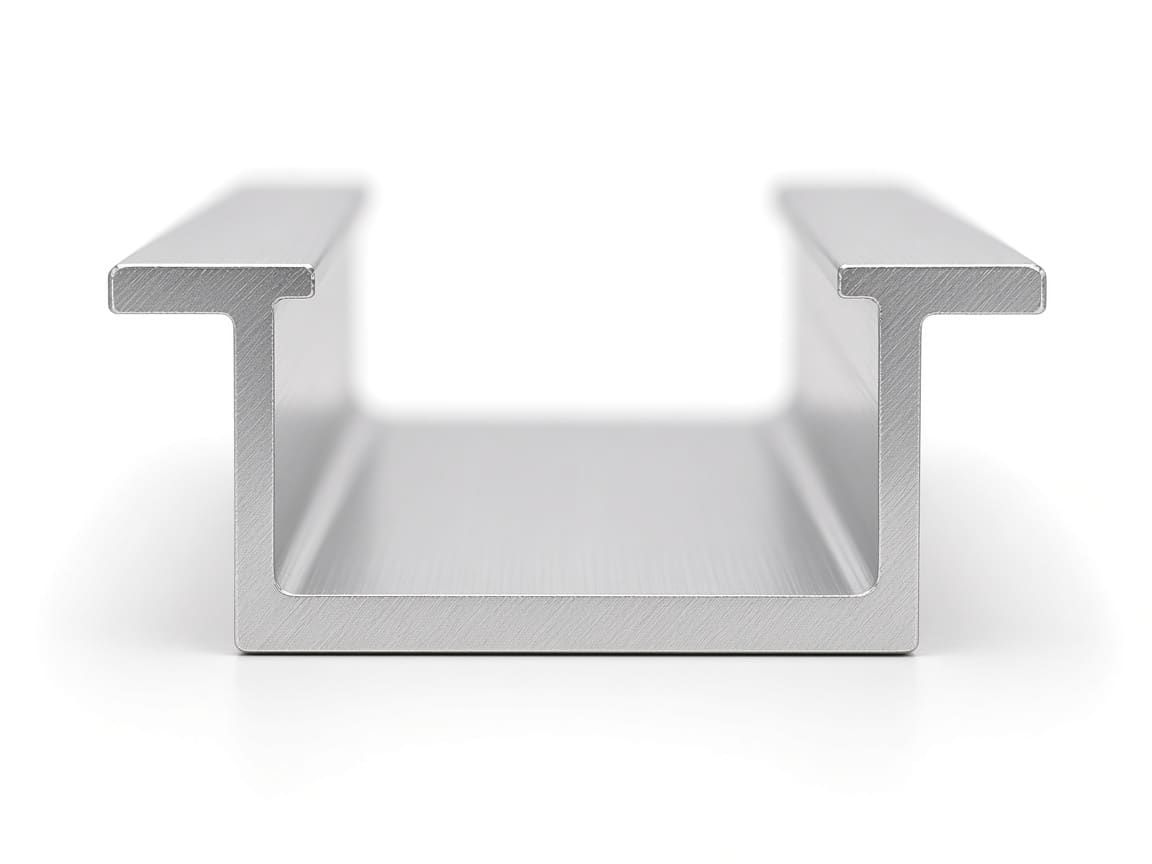
Recessed
Flanged profiles set into plasterboard, timber or furniture for a flush line of light.
Corner
45° profiles that wash light across two surfaces from an internal corner.
Suspended & wall
Larger sections for linear pendants and wall lights, with room for drivers and optics.
02Why the aluminum matters
LED output and lifetime fall as junction temperature rises. The aluminum channel spreads heat from the strip along its length and into the air, which is why higher-power strips need profiles with more cross-sectional area and a solid base under the strip.
6063-T5 is used for almost all LED profiles: it conducts heat well, extrudes the thin lips that hold diffusers, and anodizes to an even silver or black.
03Diffuser fit and tolerances
The diffuser clips into hooks or grooves along the top of the channel. That fit depends on a few tenths of a millimetre, so we control the hook geometry and allow for anodic layer build-up when setting the die. Opal diffusers hide the LED dots; frosted and clear diffusers give more output.
04Finishes and color consistency
Anodized silver and black are standard. Powder coating in white or RAL colors is common for architectural fittings. For projects where profiles from several deliveries sit side by side, tell us — we keep batch samples to hold color and gloss consistent.
05Applications
- Architectural coves and ceilings
- Kitchen and furniture lighting
- Retail and exhibition displays
- Stair and handrail lighting
- Office linear pendants
- Street lights and industrial & mining (high-bay) light housings
- Signage and light boxes
Standard sections are in the LED profile library.
06What to send for a quote
The more of this you share, the faster and more accurate the quote. Missing something? Send what you have — we will ask.
- LED strip width and power per metre
- Profile type (surface, recessed, corner, suspended)
- Diffuser type and fit
- Finish and color
- Lengths and quantity
- End caps, clips or accessories needed
07Frequently asked questions
Which aluminum alloy are LED profiles made from?
Almost always 6063-T5. It combines good thermal conductivity with the fine detail and bright anodized finish LED channels need.
Do I need an aluminum profile for my LED strip?
For low-power strips, a profile mainly improves appearance and protection. For higher-power strips it also keeps the LEDs cooler, which protects brightness and lifetime — check the strip maker's thermal guidance.
Can you make a custom LED profile?
Yes. A custom die lets you integrate mounting features, optics seats and branding details. Die cost is modest for sections of this size — see custom aluminum extrusions.
Can LED profiles be cut to length?
Yes. Profiles are supplied in mill lengths or cut to your fixture lengths, with drilled holes and slots for cable entry where needed.
Last updated September 17, 2026 · Reviewed by the CharMax Aluminum engineering team