Finishes
Surface Finishes for Aluminum Extrusions
Finishing protects the profile and defines how it looks for decades. Compare the options and specify with confidence.
Aluminum extrusions are usually finished by anodizing (a 5–25 µm integral oxide), powder coating (a 60–120 µm polymer film in any color), electrophoretic coating over anodizing, or mechanical finishing such as brushing and sandblasting followed by anodizing.
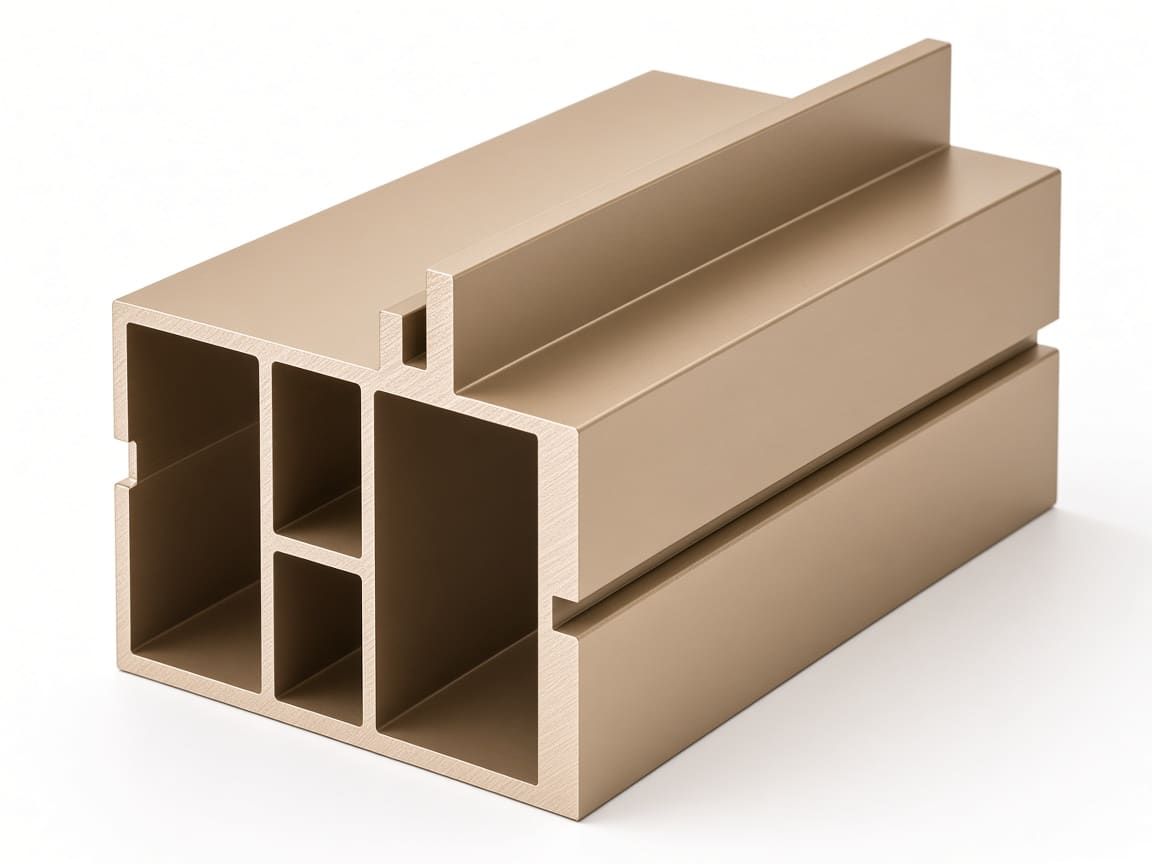
All finishes
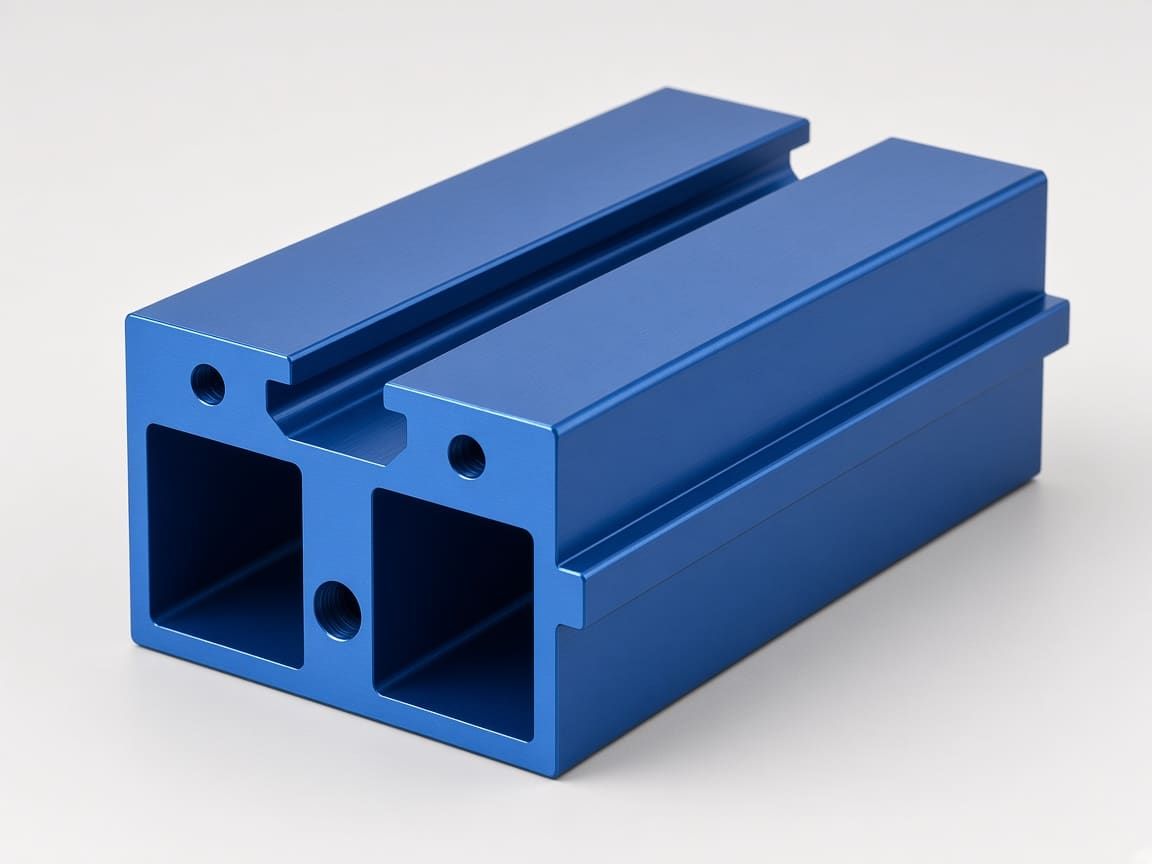
Anodizing
An integral oxide layer — clear or colored — that cannot peel or flake.
See finish Powder Coating
Any RAL color, gloss or texture — including wood-grain — on a tough cured film.
See finish Electrophoretic Coating
Anodizing sealed under a thin, smooth acrylic film — even in recesses.
See finish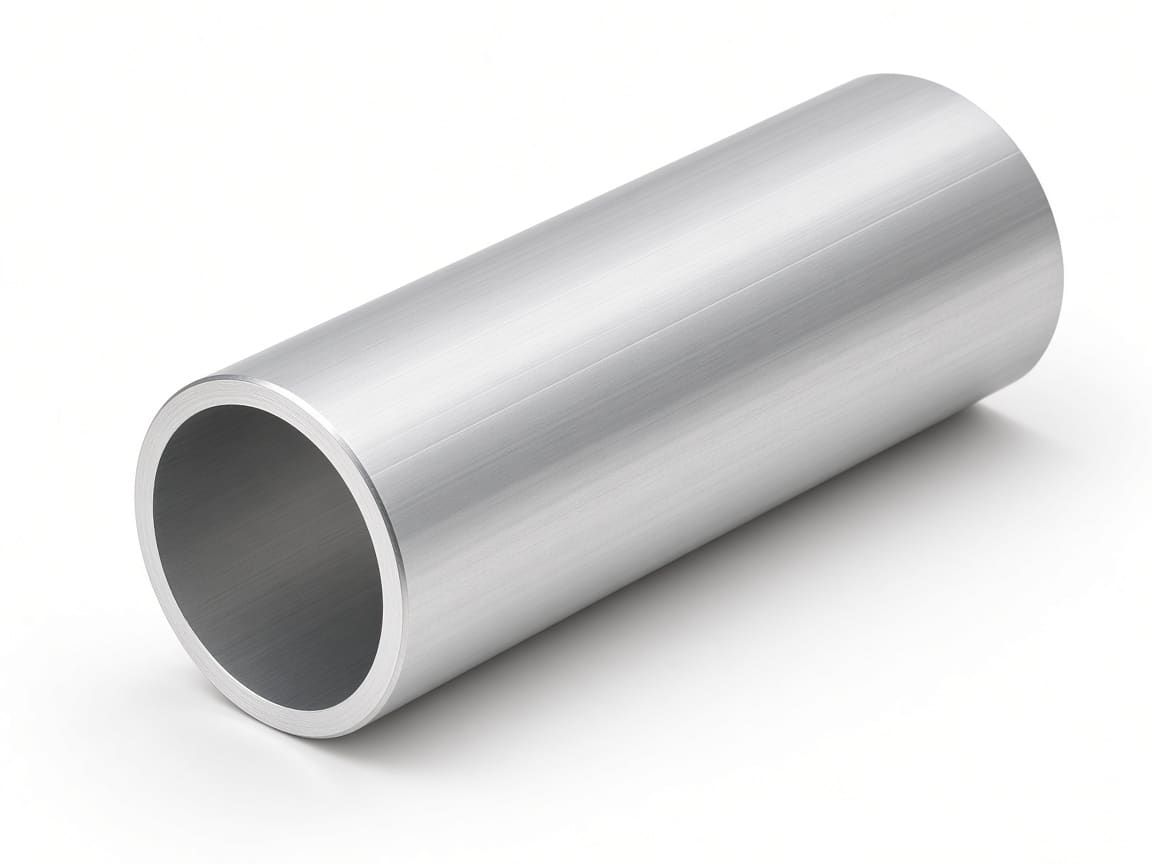
Brushing, Polishing & Blasting
Satin, mirror or matte textures — usually sealed under anodizing.
See finishCompare
Finishes at a glance
| Finish | Film | Look | Typical use |
|---|---|---|---|
| Mill finish | None | As extruded | Parts finished later, hidden parts |
| Anodizing | 5–25 µm oxide | Metallic: clear, black, bronze | Architecture, electronics, framing |
| Powder coating | 60–120 µm | Any RAL color, textures, wood-grain | Facades, windows, products |
| E-coat | Oxide + thin acrylic | Smooth metallic, matte or gloss | Windows, doors, trims |
| Mechanical | Texture, then anodized | Brushed, polished, blasted | Consumer and visible parts |
FAQ
Frequently asked questions
What is the most durable finish for aluminum extrusions?
It depends on the threat. Anodizing is the hardest and most abrasion resistant and cannot peel; high-durability powder coatings hold color best in strong sunlight. Both last decades outdoors when the right class is specified.
What is mill finish aluminum?
Mill finish is the surface as extruded, with no coating. It is used when parts will be finished later or where appearance does not matter; it develops a natural oxide film but can stain and dull over time.
Start a project
Send a drawing. Get an engineer's answer.
Share a 2D drawing or 3D model and your volumes. An engineer reviews the section for manufacturability and comes back with a quotation, die cost and the questions that matter.
- DFM review of your section before tooling
- Itemized quote: die, profile, fabrication, finish
- Engineering reply within one business day