Industries
Aluminum Extrusions by Industry
Each sector asks different things of an extrusion — stiffness, thermal conductivity, certified properties or flawless color. Here is how we meet them.
CharMax Aluminum supplies extrusions to four main sectors: industrial automation and machinery, electronics and thermal management, energy and mobility (solar, EV, e-mobility), and architecture and building.
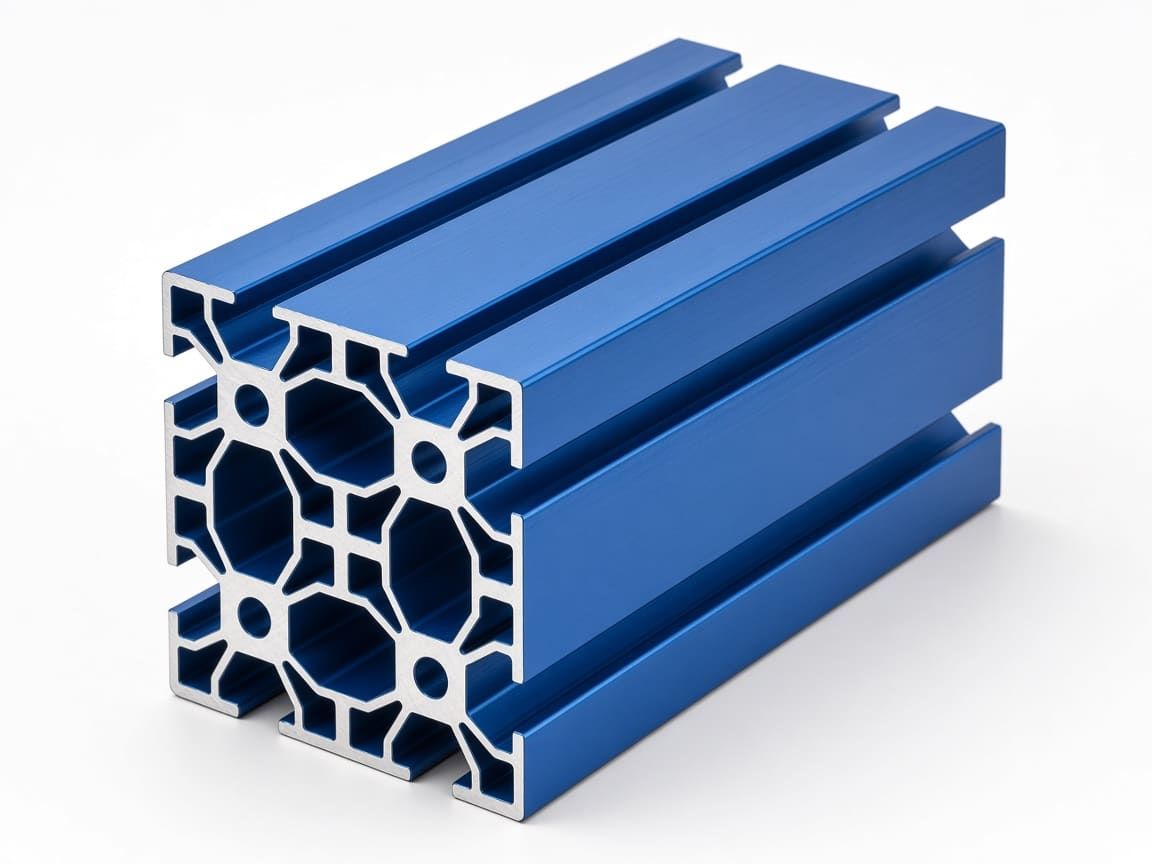
All industries
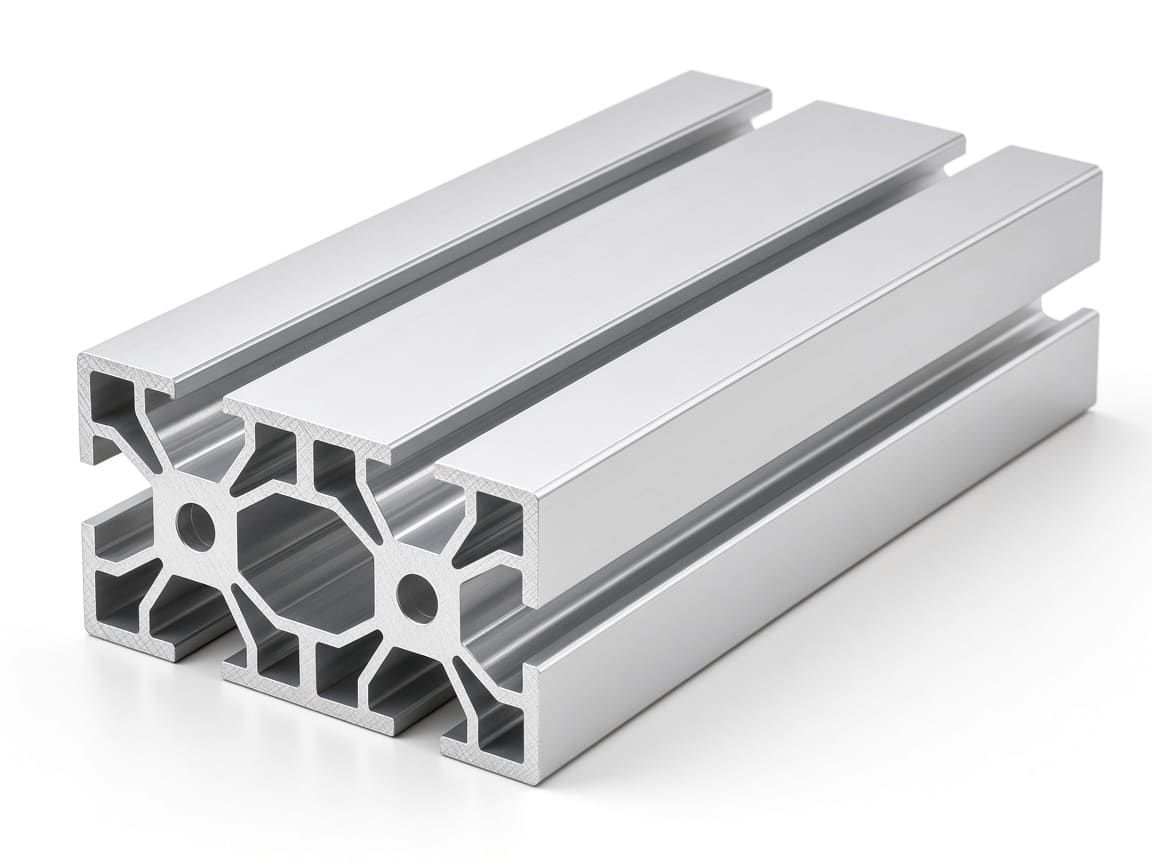
Industrial & Automation
Framing, linear-motion bases, conveyor rails and guarding — machined and kitted per machine.
See solutions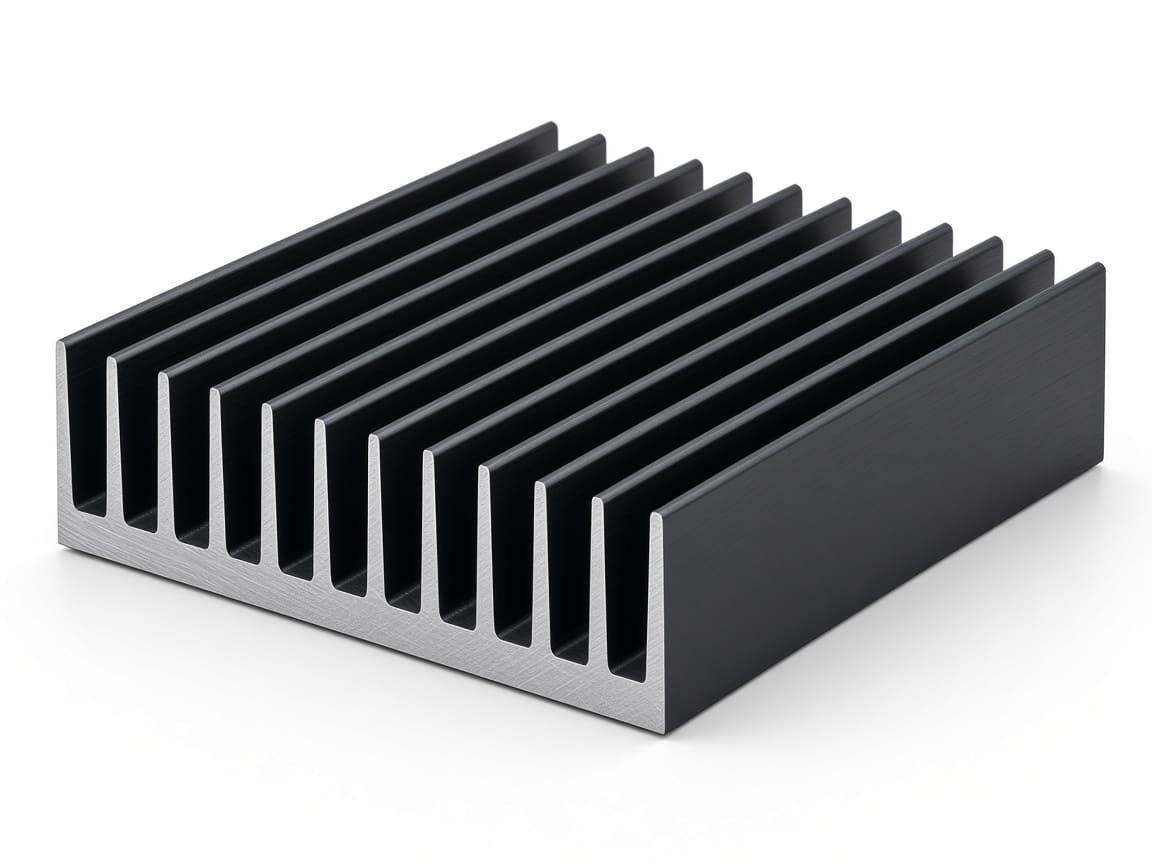
Electronics & Thermal
Heat sinks, enclosures and LED housings where the extrusion is also the thermal path.
See solutions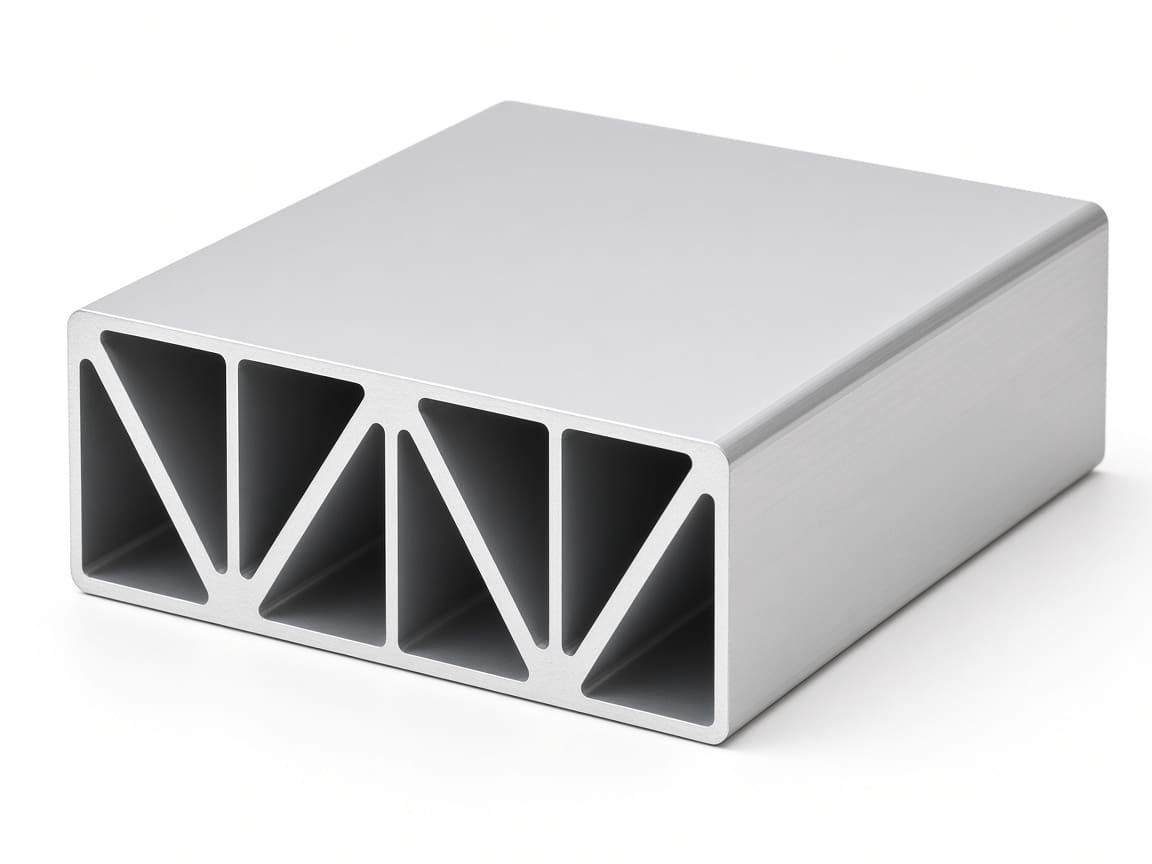
Energy & Mobility
Solar racking, battery-tray and crash profiles, e-mobility frames and charger housings.
See solutions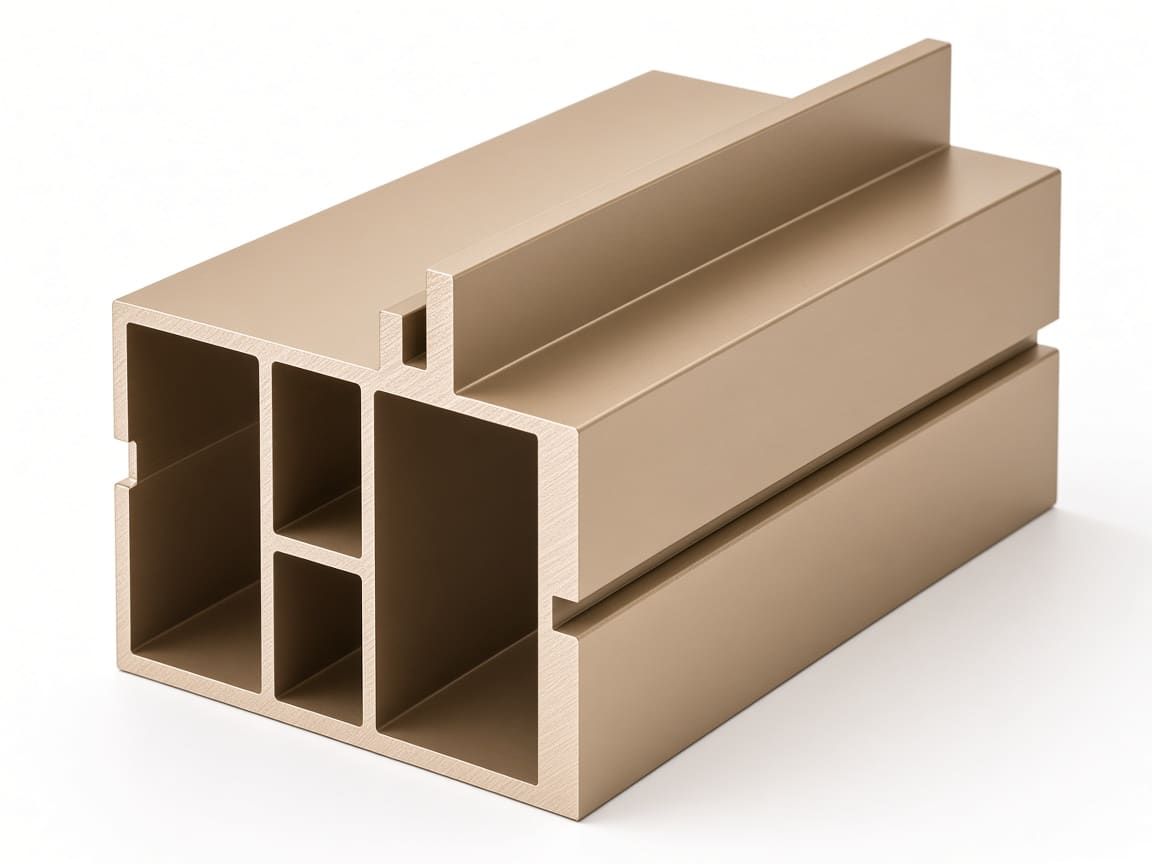
Architecture & Building
Windows, doors, curtain walls, railings and louvres finished to project color schedules.
See solutionsAt a glance
What changes from one sector to the next
The press is the same; the grade, the finish and the paperwork are not.
| Industry | Usual grades | Usual finishes | What it turns on |
|---|---|---|---|
| Industrial & Automation | 6063-T5 · 6061-T6 · 6082-T6 | Clear or black anodized | Datum faces, taps, access holes |
| Electronics & Thermal | 6063-T5 (≈ 200 W/m·K) | Black or clear anodized, masked | Flat faces, cut-outs, threads |
| Energy & Mobility | 6005A · 6061 · 6082 · 7005 · 7075 | Anodized, powder, mill | IATF 16949:2016 |
| Architecture & Building | 6063-T5 / T6 · 6060 | Anodized, powder, e-coat, wood-grain |
How to read it
The sector decides the grade, the temper and the tolerance
An extrusion is rarely specified by industry, but the industry sets the limits. Framing and machine building live on 6063-T5 and 6061-T6 because they machine and anodize predictably. Thermal parts stay on 6063 for conductivity and thin fins. Structural and mobility parts move up to 6005A, 6082, 7005 or 7075, where strength matters more than surface. Facade work goes back down to 6063 because the finish is the product.
Finish follows the same logic: anodizing where the aluminum stays visible and must not peel, powder coating where a color schedule has to be matched, mill finish where the part is hidden or welded. Compare the finishes or the grades if you are still choosing.
What differs most is the evidence you get with the goods. Automotive and mobility work runs under IATF 16949:2016 with mill certificates per lot; architectural work is judged against approved color samples; machine builders care about cut lengths, datum faces and kitting. All of it comes out of the same five-level inspection plan — see the FAQ for what is issued with each shipment.
If your sector is not listed
We extrude the section, not the industry
These four are where most of our volume goes, but the process does not care about the label on the project. If your part has a constant cross-section, fits inside our circumscribing circle and can be made in an extrudable grade, we can quote it — furniture, lighting, medical equipment, marine fittings, sporting goods and signage all come through the same presses.
Send a drawing or a sample and an engineer will tell you whether it extrudes, what die it needs and which grade suits the load. The capabilities pages show the chain it would run through, and the company facts list every grade, finish and certification we can supply against.
FAQ
Frequently asked questions
Which industries use aluminum extrusions?
Construction is the largest user, followed by transport, electrical and electronics, industrial machinery and consumer goods. Extrusions suit any part with a constant cross-section that benefits from light weight, corrosion resistance and low tooling cost.
Do you work with small companies and start-ups?
Yes. Standard profiles from our library need no die, and custom dies for small sections are affordable — so development projects can start at modest volumes.
Start a project
Send a drawing. Get an engineer's answer.
Share a 2D drawing or 3D model and your volumes. An engineer reviews the section for manufacturability and comes back with a quotation, die cost and the questions that matter.
- DFM review of your section before tooling
- Itemized quote: die, profile, fabrication, finish
- Engineering reply within one business day