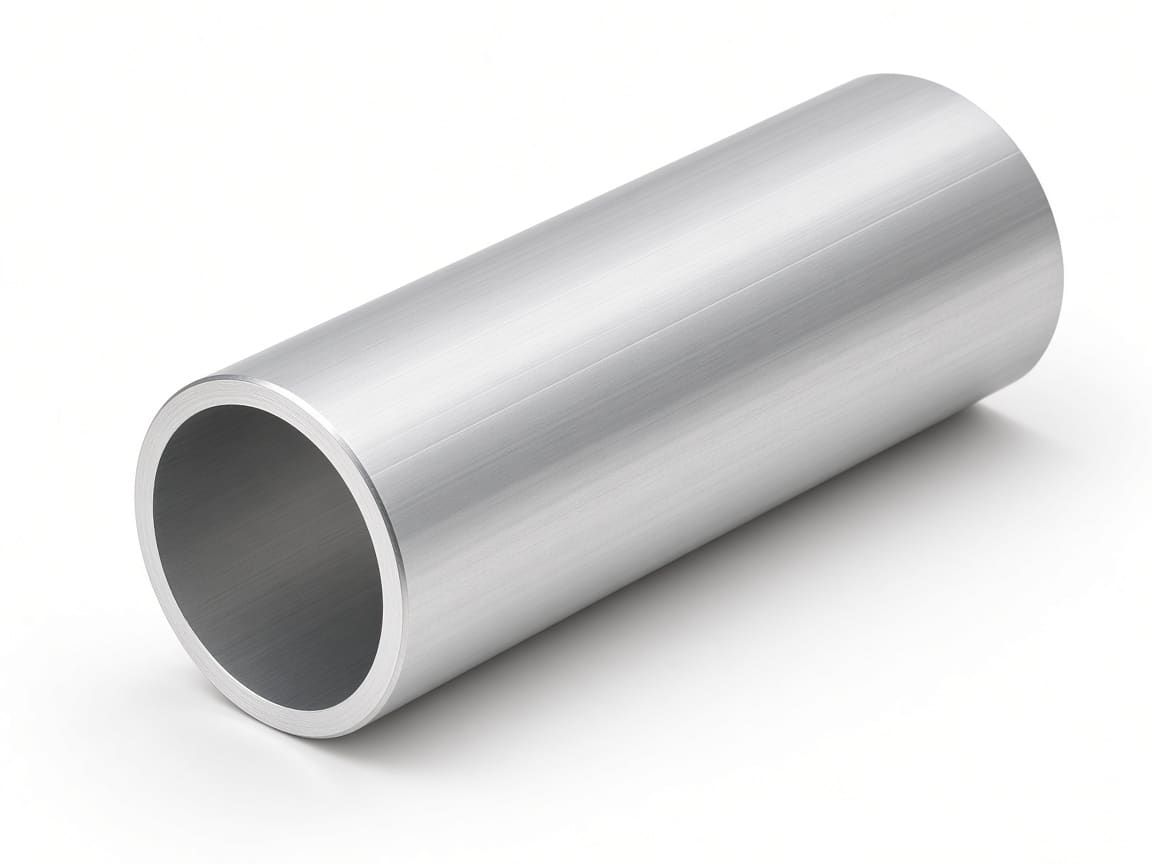
01Mechanical finishes
Brushing
Abrasive belts or brushes create fine parallel lines along the profile — the classic satin aluminum look.
Polishing
Progressive buffing, sometimes with chemical brightening, for a bright or mirror-like reflection.
Sandblasting
Fine media blasted at the surface gives a uniform matte that hides marks and fingerprints.
02Why the sequence matters
Mechanical finishing comes first, then anodizing or coating protects the texture. Anodizing over a brushed or blasted surface keeps the look permanently and adds color if needed — for example, black sandblasted-anodized trim or champagne brushed-anodized handles.
03Specifying a mechanical finish
- Define the cosmetic faces and the texture direction for brushing
- Agree a reference sample — texture is best judged by eye
- Specify the follow-up finish (clear or colored anodizing, or coating)
- Allow a little extra material if heavy polishing is required
04Frequently asked questions
Can brushed aluminum be anodized?
Yes — and it usually is. Anodizing protects the brushed texture and can add color, such as black or champagne.
What is the difference between sandblasted and brushed aluminum?
Sandblasting gives a uniform, non-directional matte surface; brushing gives fine parallel lines with a satin sheen that changes with viewing angle.
Last updated September 17, 2026 · Reviewed by the CharMax Aluminum engineering team